English Novel (Std. 4 to 7)
Why We Teach Novels at Walnut School
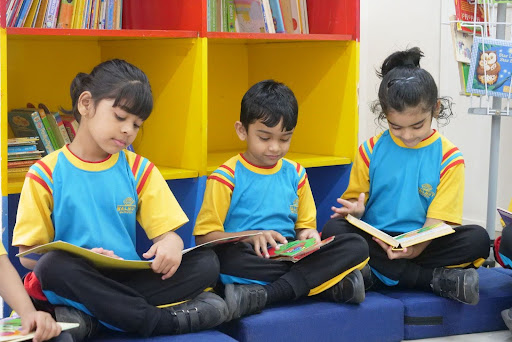
At Walnut School, we believe in providing our students with more than just textbook knowledge. Reading novels is a crucial part of their learning journey. Here's why we think it's so important and how it helps students grow in different ways.
1. Developing Better Reading and Comprehension Skills
Textbook lessons are very limited in their word count and scope of story. For students to be able to put things together, think a little and then write on their own - longer storylines are necessary. Novels provide extended narratives that help students develop their ability to understand and follow complex storylines. This also helps them improve their reading skills and learn how to tackle difficult texts with confidence.
2. Developing Vocabulary and Improving Expression
Novels expose students to a wide range of vocabulary and help them learn new words in context. As students read more and more, their own database of words improves. This helps them understand content better and also express it. This skill improves their reading, comprehension and writing ability across all subjects.
3. Building Stamina for Longer Reading
Students get used to reading for 15 minutes to half an hour at a time and maintaining a flow of events in their head. This is important to develop as their text lessons (across all subjects) get exponentially longer as they grow older. They should be used to reading 20-30 page lessons in one sitting and also kind of understand what they are reading. This is a skill that has to be systematically built up. That is what novels help with.
4. Improving Writing and Critical Thinking
Creative writing assignments really level up with the novel in the loop. Stories, diary entries, descriptive paragraphs etc - all get a good base to build on and the students' writing quality really levels up. In these assignments, the students have to look at the same story from many different perspectives. That gets them to start analysing and laying things out and building up on earlier information as well. This critical thinking is a useful skill to have as they grow older.
5. Developing Empathy and Understanding
By engaging with characters and their experiences in a novel, students can develop empathy and understanding for different perspectives. Students also develop understanding of various social and emotional issues (e.g., friendship, loyalty, comfort, ethics, hope). The novels that we have chosen touch upon real-world issues, allowing students to make connections and broaden their understanding of the world around them.
6. Real-World Connections
Many novels touch on real-world issues that are relevant to students' lives, such as overcoming challenges, fighting for what's right and learning from mistakes. These stories help students connect with the world around them and think about the impact of their actions, both personally and socially.
7. Setting Walnut Students Apart
By studying novels, our students get the opportunity to develop skills that are highly valued in today's world, such as deep thinking, strong communication and emotional intelligence. This sets them apart from others and prepares them for future challenges, both academically and personally.
Conclusion
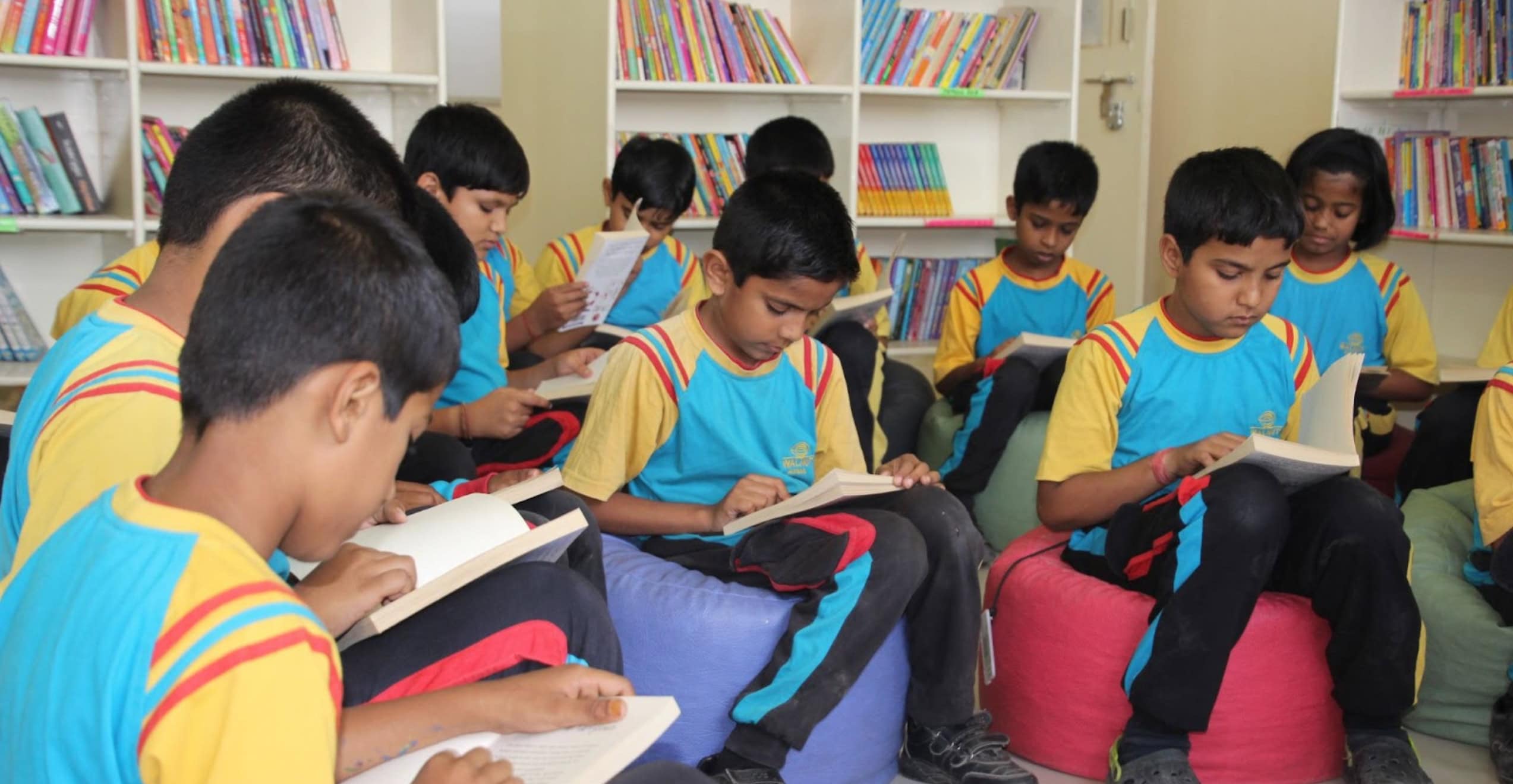
At Walnut School, we see teaching novels as a way to help our students grow not just as learners, but as thoughtful, compassionate, and curious individuals. The novels we choose help students develop critical life skills like reading comprehension, vocabulary, empathy, and creative thinking. We are proud to give our students these incredible opportunities and watch them become confident and capable individuals.
It is amazing how reading takes you places far far away and to imaginary lands, meeting innumerable characters on the way, without ever having to leave your home. However, reading is fast being reduced to just scrolling through messages and reading through the posts on various social media sites. But there is absolutely no replacement to the joy of discovery with each flipped page of a book.
Std. |
Name of book |
Author name |
Purchase online |
Digital format |
4 |
The One and Only Ivan |
Katherine Applegate |
||
5 |
Charlie and the Chocolate Factory |
Roald Dahl |
||
6 |
Harry Potter and the Philosopher's Stone |
J.K. Rowling |
||
7 |
Percy Jackson and the Lightning Thief |
Rick Riordan |
The US edition of this book is known as Harry Potter and the Sorcerer's Stone. The content of both the editions is the same. So you can purchase / refer to either edition of this novel.
Students read through the chapters as the unit progresses and answer various questions based on it. This strengthens their comprehension skills, teaches them to retain facts over a period of time, develop the patience to read in continuation and also unleash their imaginative powers.
The students are given a physical book in the school during the English period. However, students also need access to a book at home to do the homework assignments. You can refer to the digital format at home, in case you do not wish to purchase a physical book. We recommend a physical one, so they do not have to sit with a tablet / computer for this activity, but the final decision is up to you.
The books that we have chosen per standard are popular for these age groups, so your child may already have read it. If yes, then great - that will help them explore it at a whole different level. If they haven't, you can encourage them to read ahead at home too. Our activities bring a twist to an otherwise normal reading exercise and a second reading helps bring a new perspective!